
Understanding Trauma
Trauma arises from experiences that shatter your sense of safety or threaten your life. These events can leave you feeling isolated, overwhelmed, and hopeless. Whether caused by a single incident or repeated events—such as bullying, domestic violence, or childhood neglect—the impact is deeply personal.
Early life trauma often shapes mental health in adulthood. Because the experience of trauma is unique to everyone, therapy must be carefully adapted to meet your specific needs.
-
Natural disasters
Childhood abuse (physical, emotional, and sexual)
Abusive relationships
Accidents and Brain Injury
Serious illness
Unsafe environment
Grief and loss
Veterans/Military service
Human trafficking
-
Sadness, anger, or fear
Guilt, shame, or denial
Emotional outbreaks
Insomnia, or nightmares
Feelings of hopelessness
Difficulty with relationships
-
Headaches
Fatigue
Dizziness/Nausea
Difficulty focusing
Changes in sleep and appetite.
Brain Injury (Traumatic Brain and Non-Traumatic Brain)
Traumatic brain injury (TBI) occurs when an external force injures the brain, such as from a fall, motor vehicle accident, assault, or similar event.
Non-traumatic brain injury (NTBI) results from internal factors, including lack of oxygen, exposure to toxins, infection, or pressure from a tumor.
Both traumatic and non-traumatic brain injuries can lead to long-term or lifelong physical, cognitive, emotional, and behavioral symptoms.
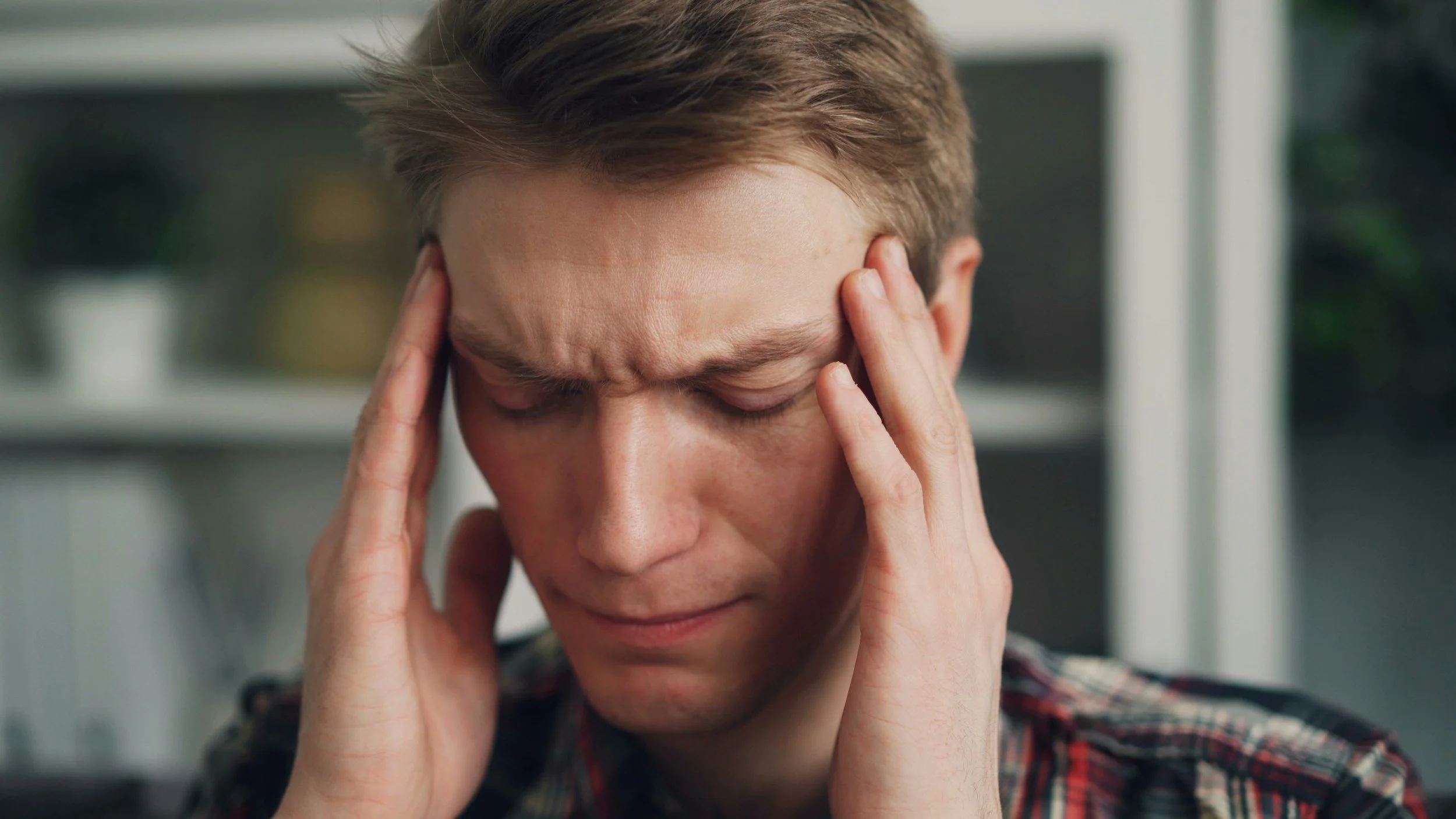
Symptoms that may occur after TBI may include:
· Headaches / Migraines
· Sensitivity to light / Sound
· Cognitive fatigue
· Dizziness / Nausea
· Confusion
· Vision issues
· Poor concentration
· Memory problems
· Anxiety / Depression
· PTSD / Grief
A concussion is a type of traumatic brain injury (TBI), often referred to as a mild traumatic brain injury (mTBI). It is typically not life-threatening and is caused by a bump, jolt, or blow to the head that causes the brain to move rapidly within the skull, stretching and damaging brain cells and triggering chemical changes in the brain.
Some individuals may experience persistent post-concussion symptoms (PPCS), which are commonly defined as symptoms that last longer than six months after the injury.
Counseling after brain Injury
Following a brain injury, individuals may experience cognitive fatigue, as well as emotional and behavioral changes, difficulties in relationships, social isolation, and reduced overall well-being.
A biopsychosocial approach to brain injury rehabilitation emphasizes psychoeducation for both individuals and families, recognizing the interaction between the biological injury, cognitive fatigue, and psychological factors. This approach is supported by evidence-based treatment models.
Benefits include:
Improved understanding of brain injury
Reduced anxiety and depression
Increased self-awareness
Development of strategies to manage stress and social isolation
Acquisition of new skills and enhanced coping strategies to address ongoing challenges

Depression & Anxiety
Anxiety is your body’s natural response to stress. It is the most common form of emotional disorder who’s symptoms vary for each individual. Common experiences include nightmares, panic attacks and uncontrollable negative thoughts. If these begin to interfere with your daily life, it’s important to seek treatment.
Depression is a mood disorder that may be described as feelings of sadness, loss, or anger that restrict a person’s everyday activities. Depression can be triggered by loss of a job, relationship, grief, illness, and other life events and lead to feelings of hopelessness or suicide. Depression is considered a serious medical condition, which can get worse without appropriate treatment.
Caregiver Support
Caregiving is a profound act of compassion, yet the continuous physical and emotional demands of supporting a loved one can lead to a state of total exhaustion. When you are rooted in the "mud" of another person's crisis, it is easy to lose sight of your own needs.
What is Caregiver Burnout? It is a state of physical, emotional, and mental exhaustion that may be accompanied by a change in attitude—from positive and caring to negative and unconcerned. It often occurs when caregivers don't get the help they need, or if they try to do more than they are able.
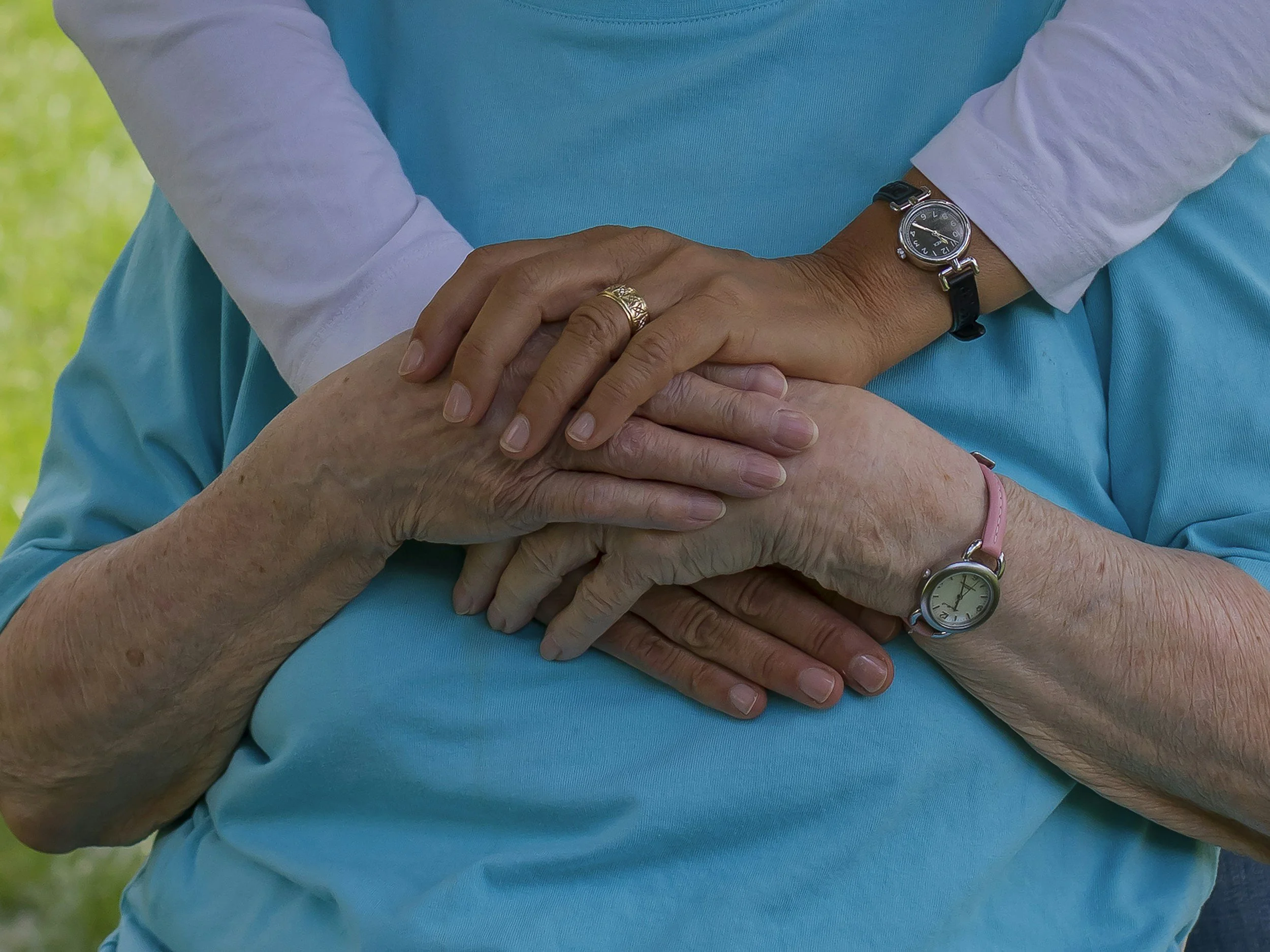
Common Signs of Burnout:
Physical Exhaustion: Constant fatigue, even after resting.
Emotional Withdrawal: Feeling detached or resentful toward the person you are caring for.
Heightened Anxiety: Feeling constantly "on edge" or worried about the future.
Loss of Interest: No longer finding joy in hobbies or personal time.
Irritability: Frequent emotional outbursts or a "short fuse" with family and friends.
Neglecting Self-Care: Changes in your own sleep, diet, or health.

Relationships
Relationships are necessary part of our human living though they can sometimes cause stress, discomfort, and even harm.
Is your relationship bringing more stress than happiness into your life?
Are you simply feeling stuck and stagnant in your relationship?
Therapy can provide a safe space to talk and offers opportunity to negotiate with each other to navigate the ups and downs in relationships.